Why fabric matters more when skin is sensitive
Fabric choice is really about the skin-contact zone, not only the fibre name. Skin becomes more vulnerable to friction when it is hydrated, so in menopause, postpartum sweating or post-surgical recovery, a bra that feels fine when the skin is cool and dry can feel much rougher after a few hours of heat, moisture and movement. It is usually the combination of fabric, friction, sweat and pressure — not one fibre alone — that drives discomfort.
Organic cotton: best for heat and day-long wear
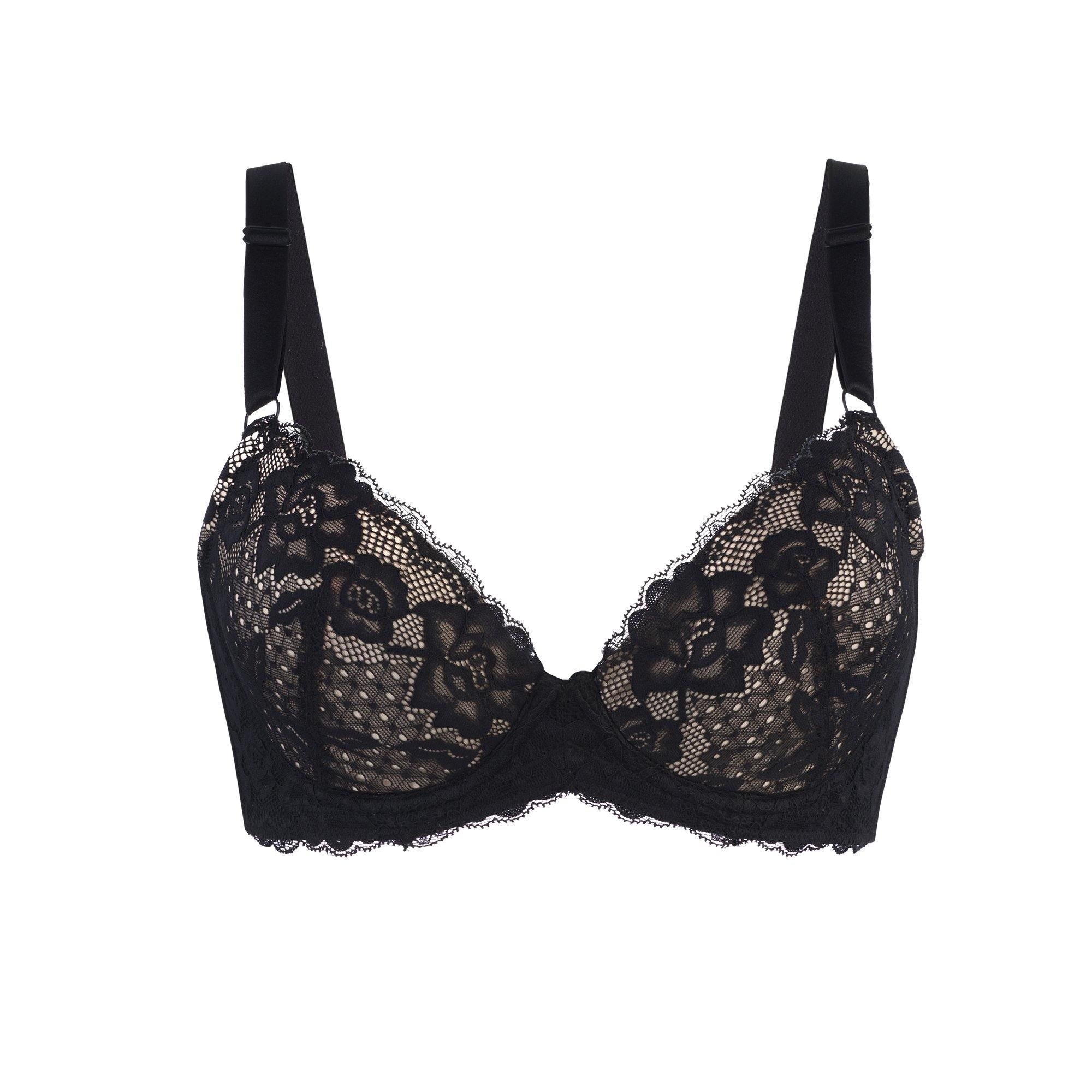
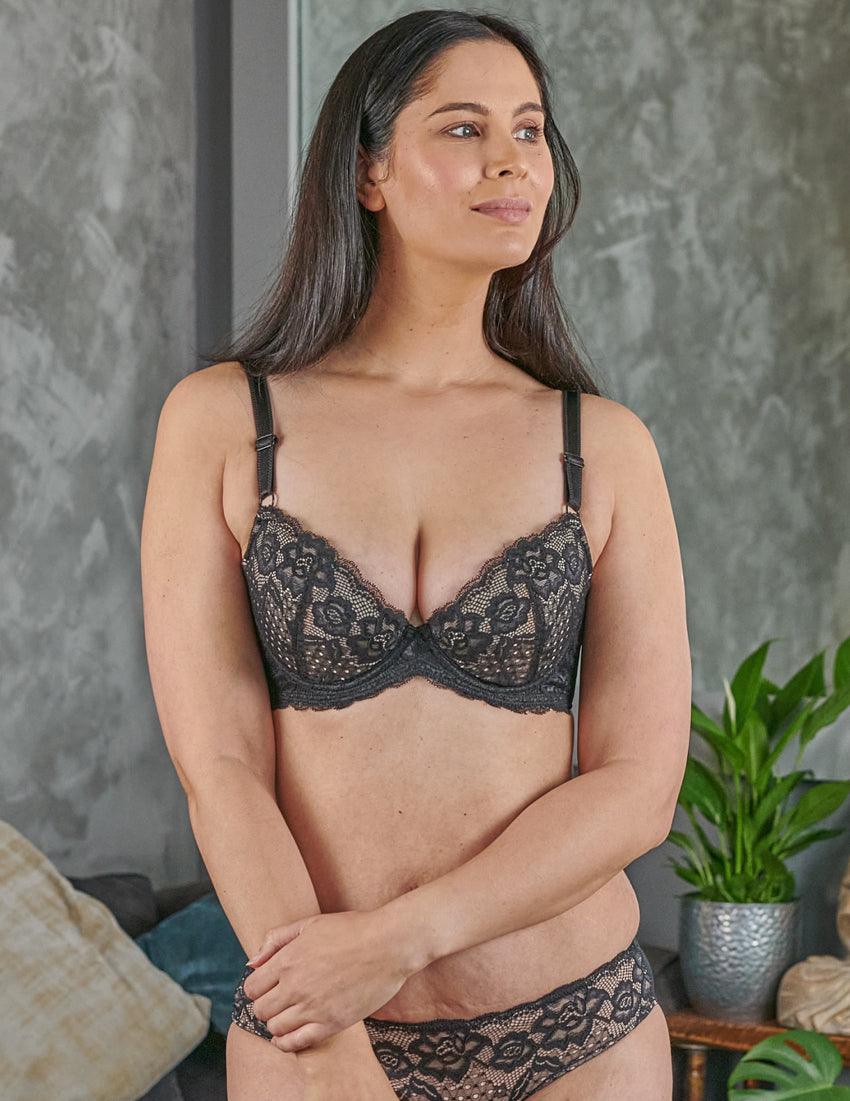
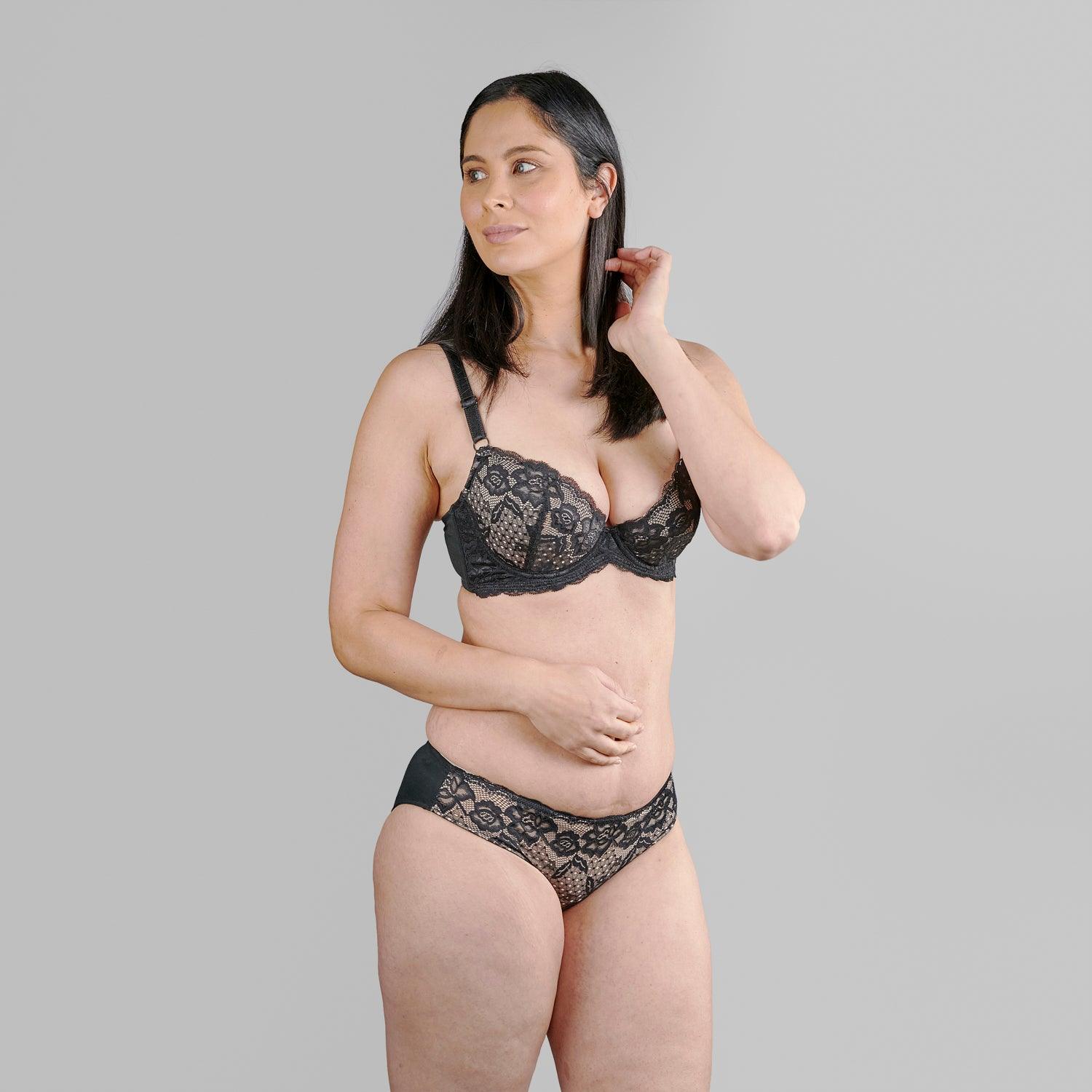
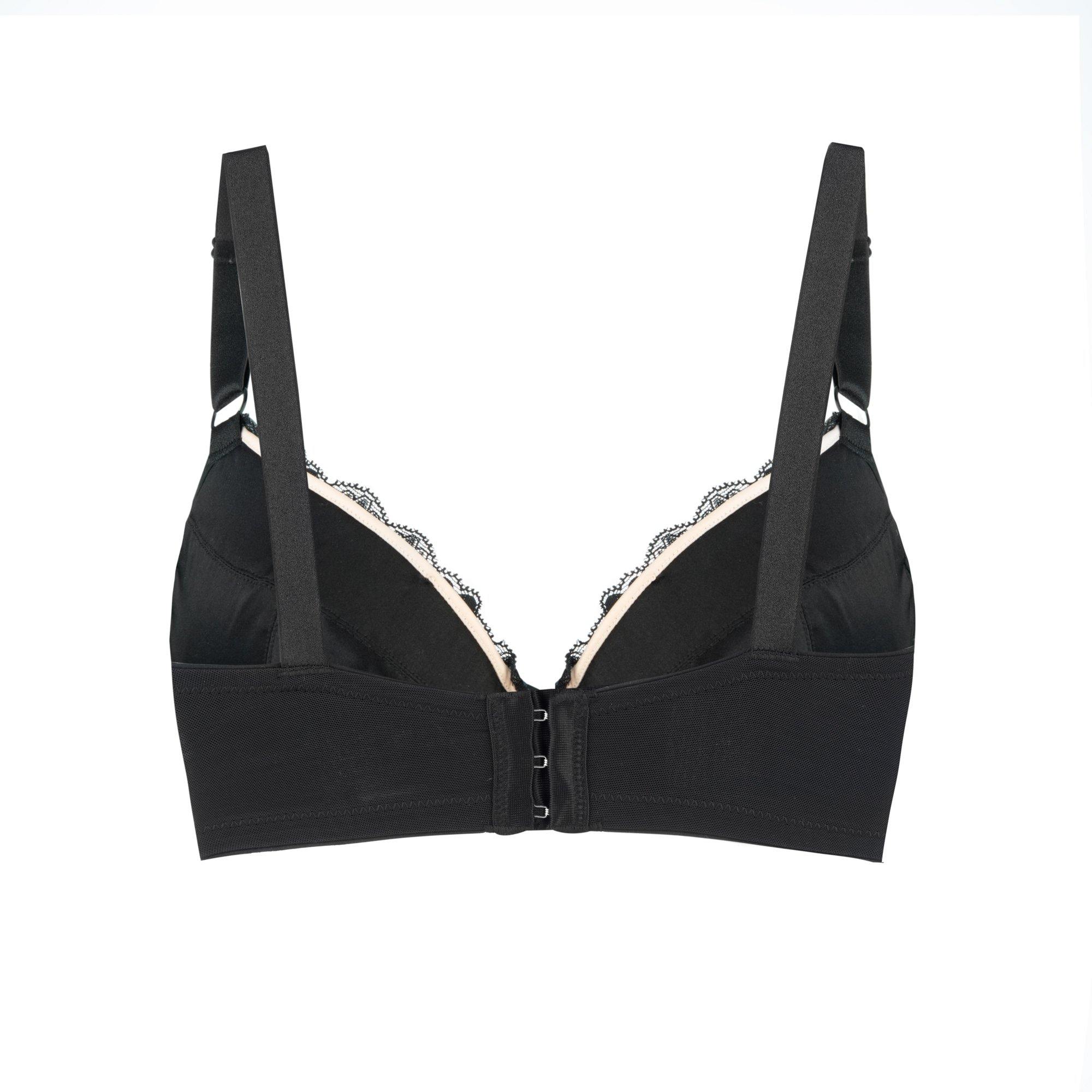
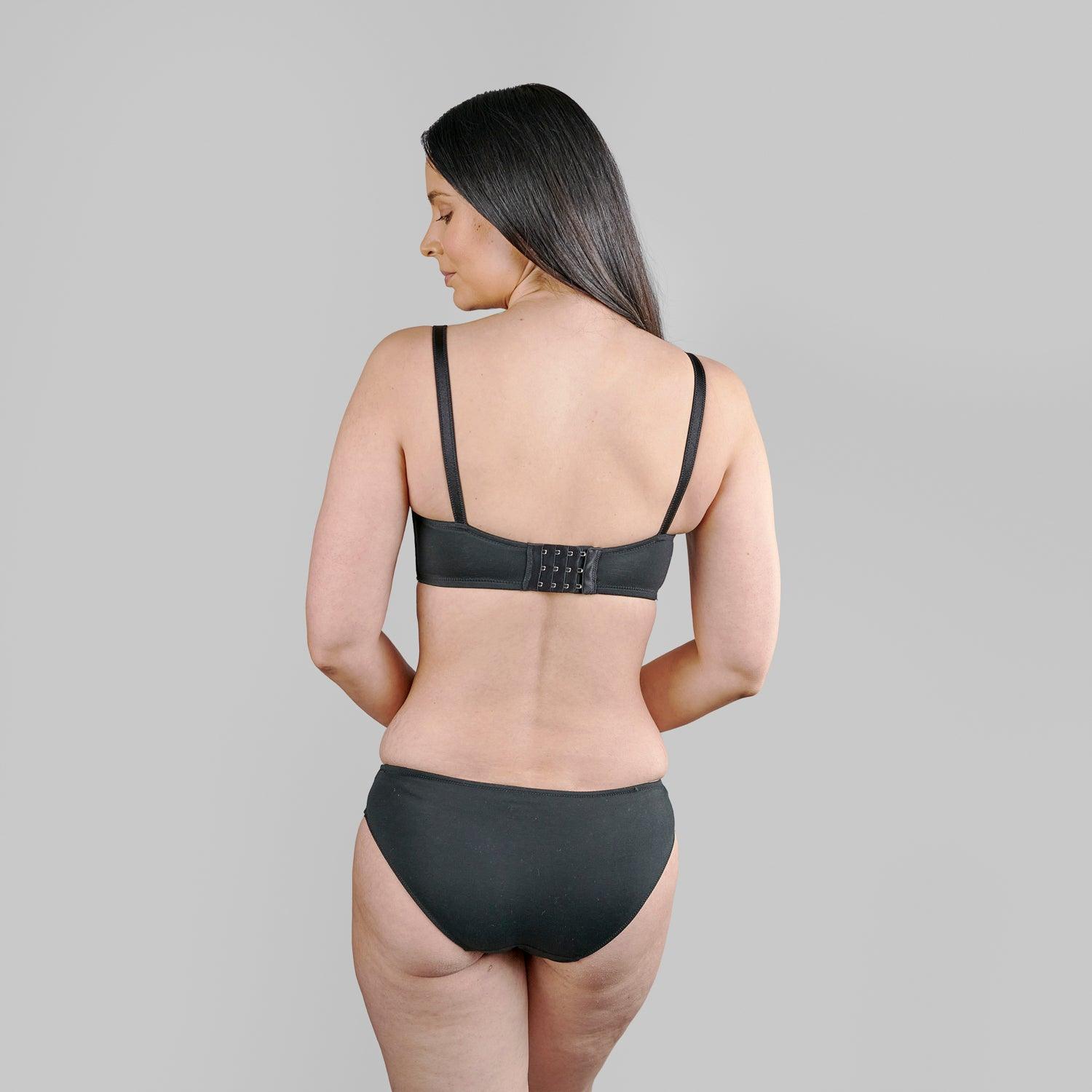
Cotton is frequently favoured in sensitive-skin clothing research because it is breathable, familiar and generally well tolerated. For hormonal sensitivity that matters most in the outer body of the bra — the band, strap underside and side wing — worn for the longest hours. JulieMay uses organic Pima cotton in the structural parts and wraps elastics so they do not sit directly on the skin.
Silk: smoother where friction is highest
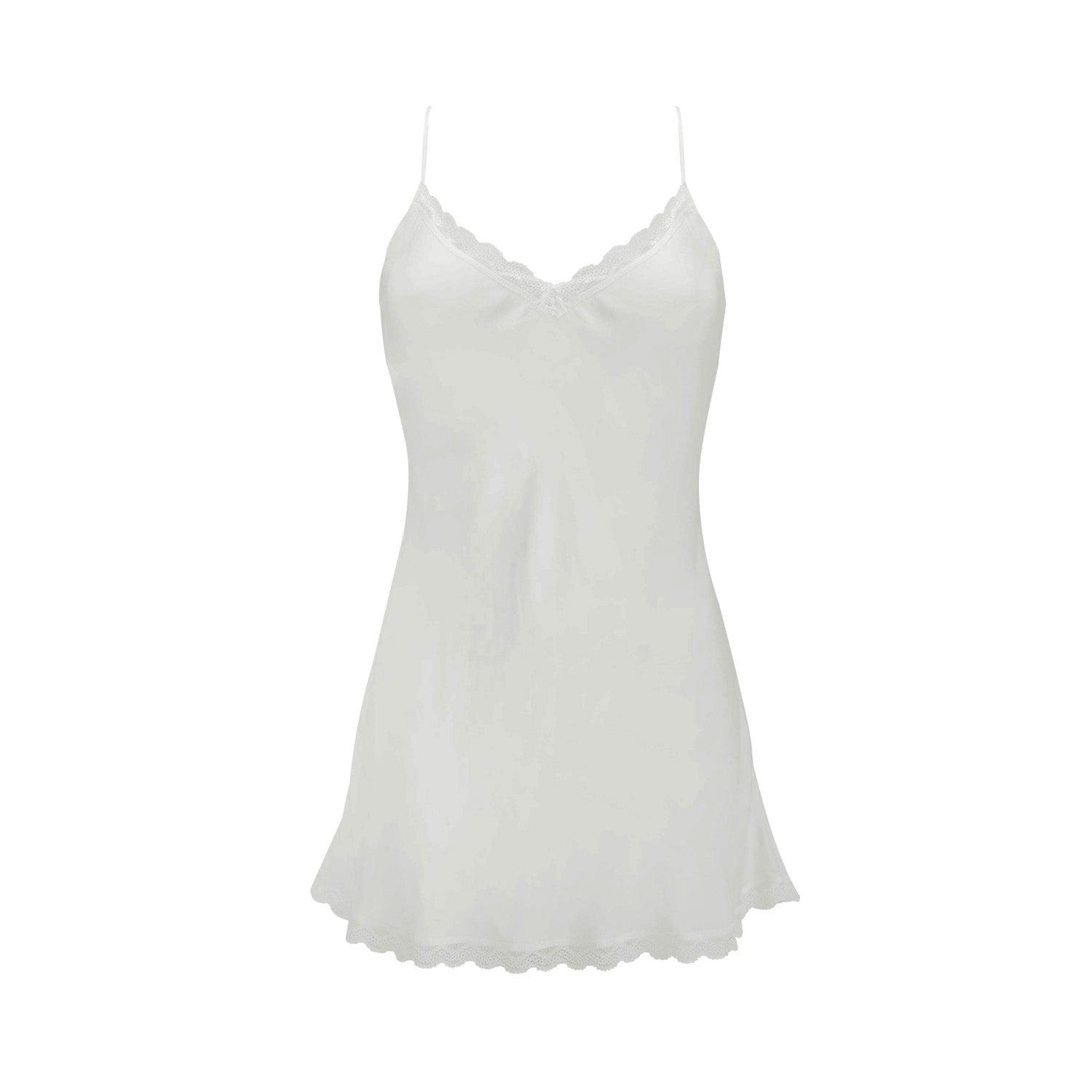
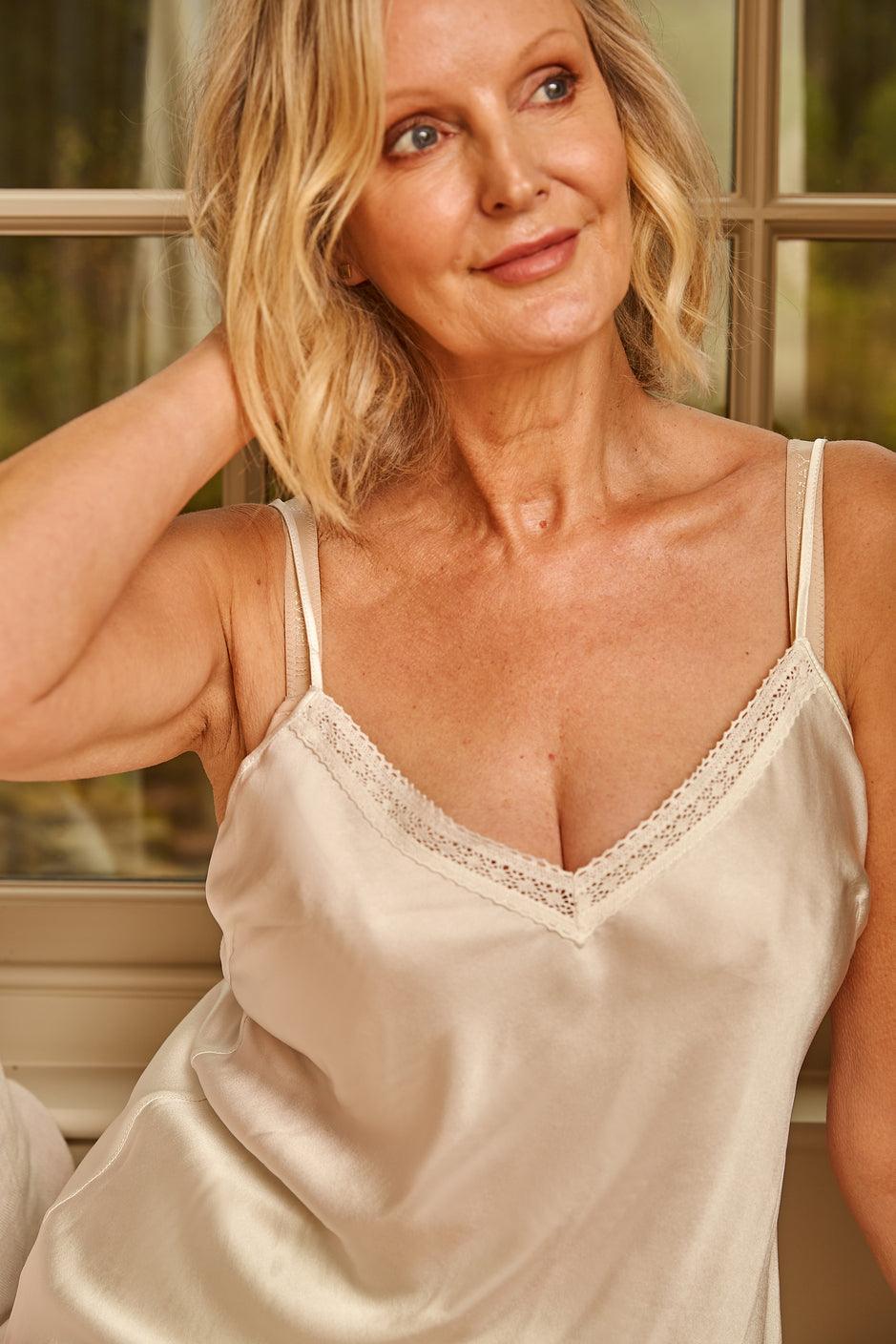
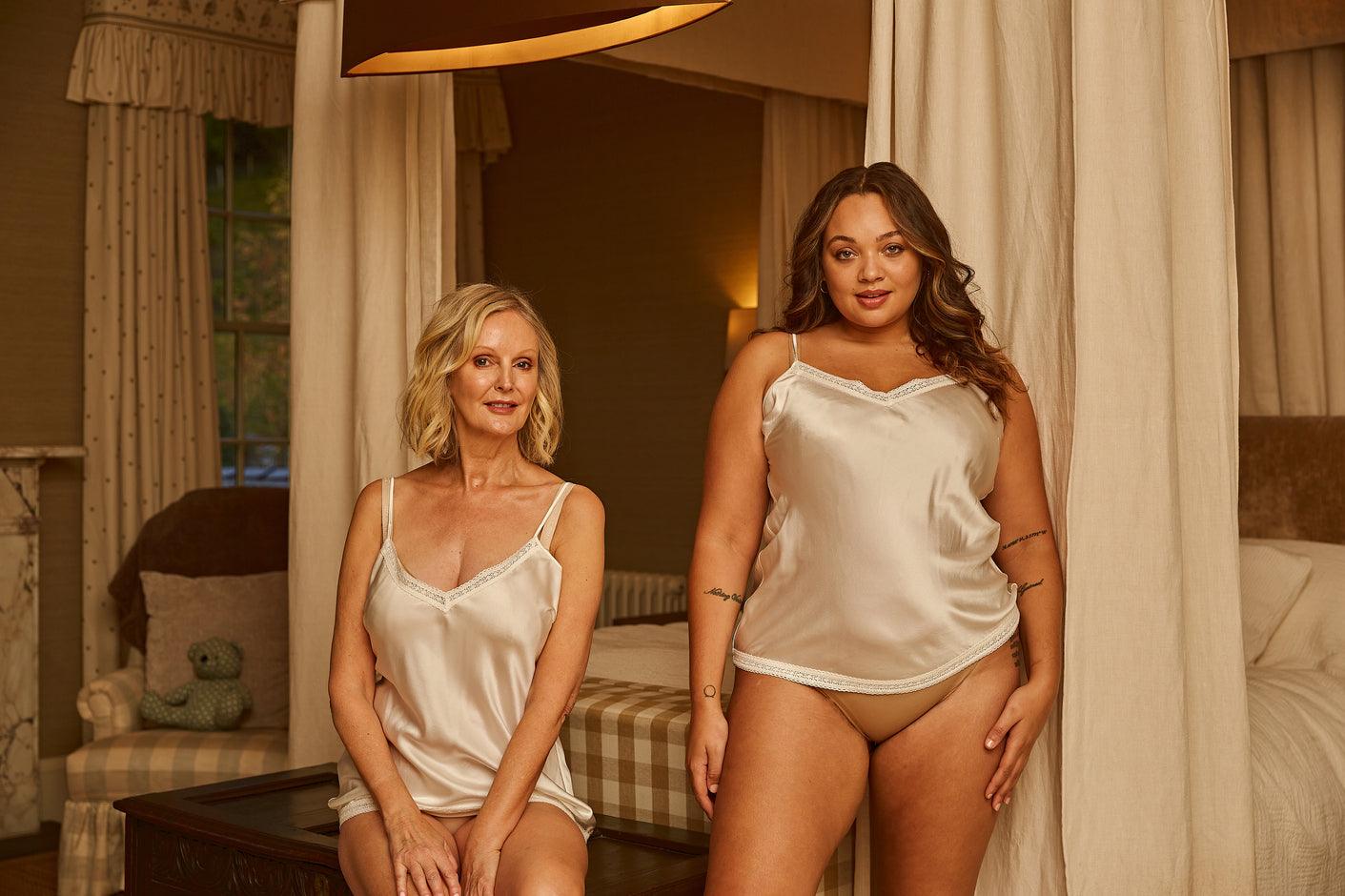
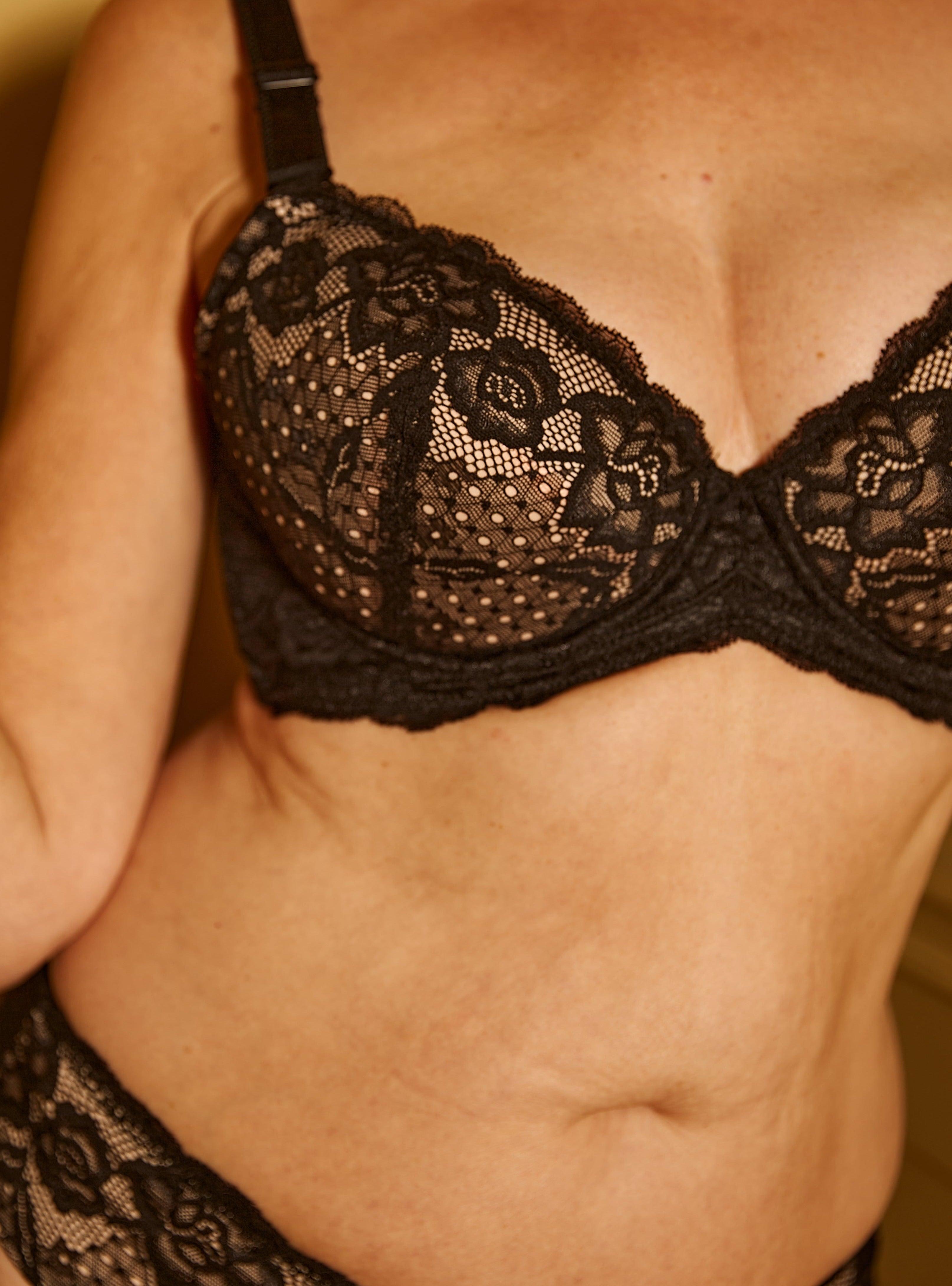
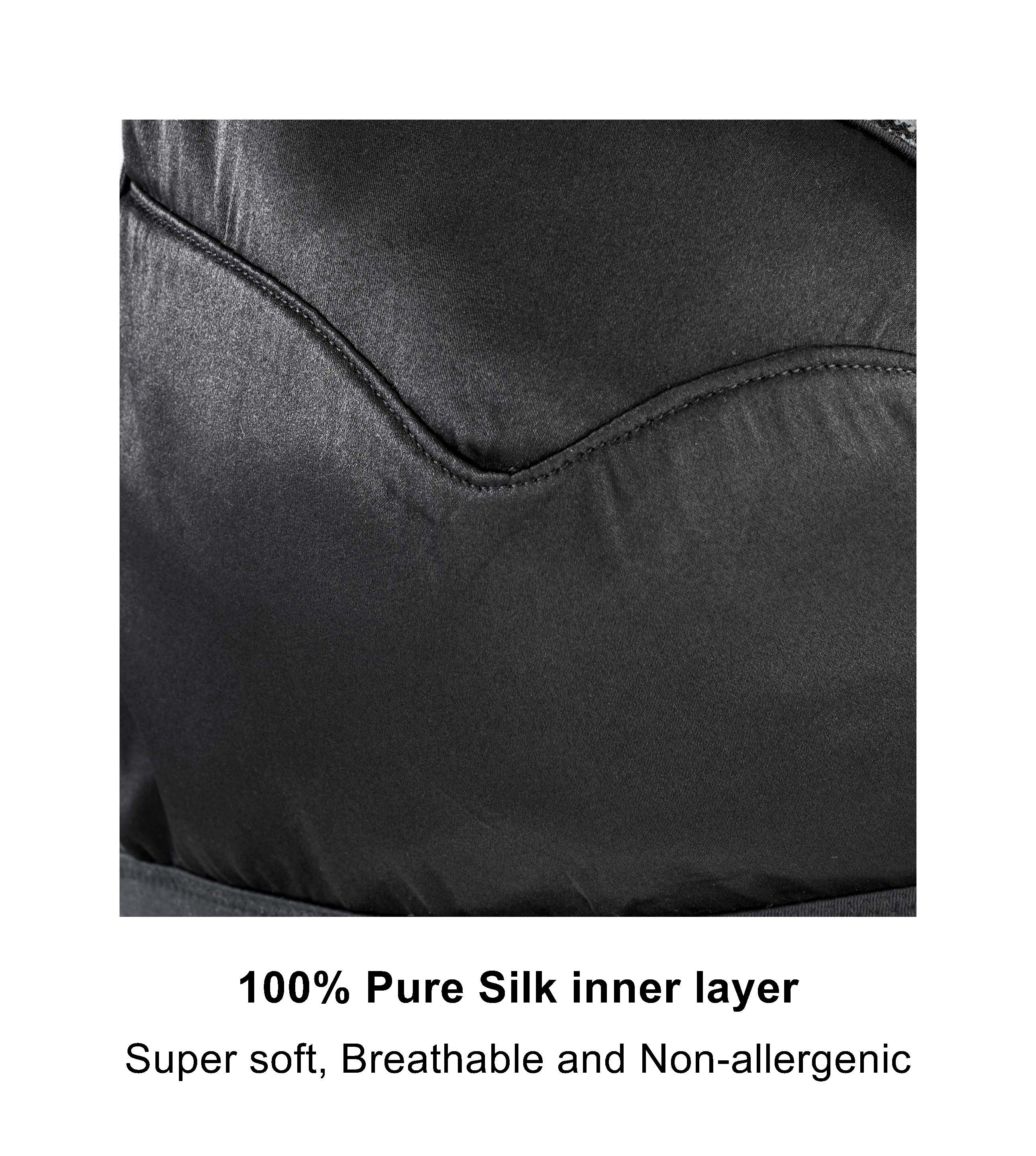
Silk is best understood here as a surface strategy rather than a luxury detail. A smoother inner layer matters most where the bra moves repeatedly over tender skin: the inner cup, underband edge and gusset. Literature on silk garments in atopic dermatitis suggests silk can be a valuable low-irritation option, and JulieMay uses 100% pure silk linings in bra cups and brief gussets — precisely the highest-contact zones.
Synthetics: not always the problem, but exposed synthetics often are
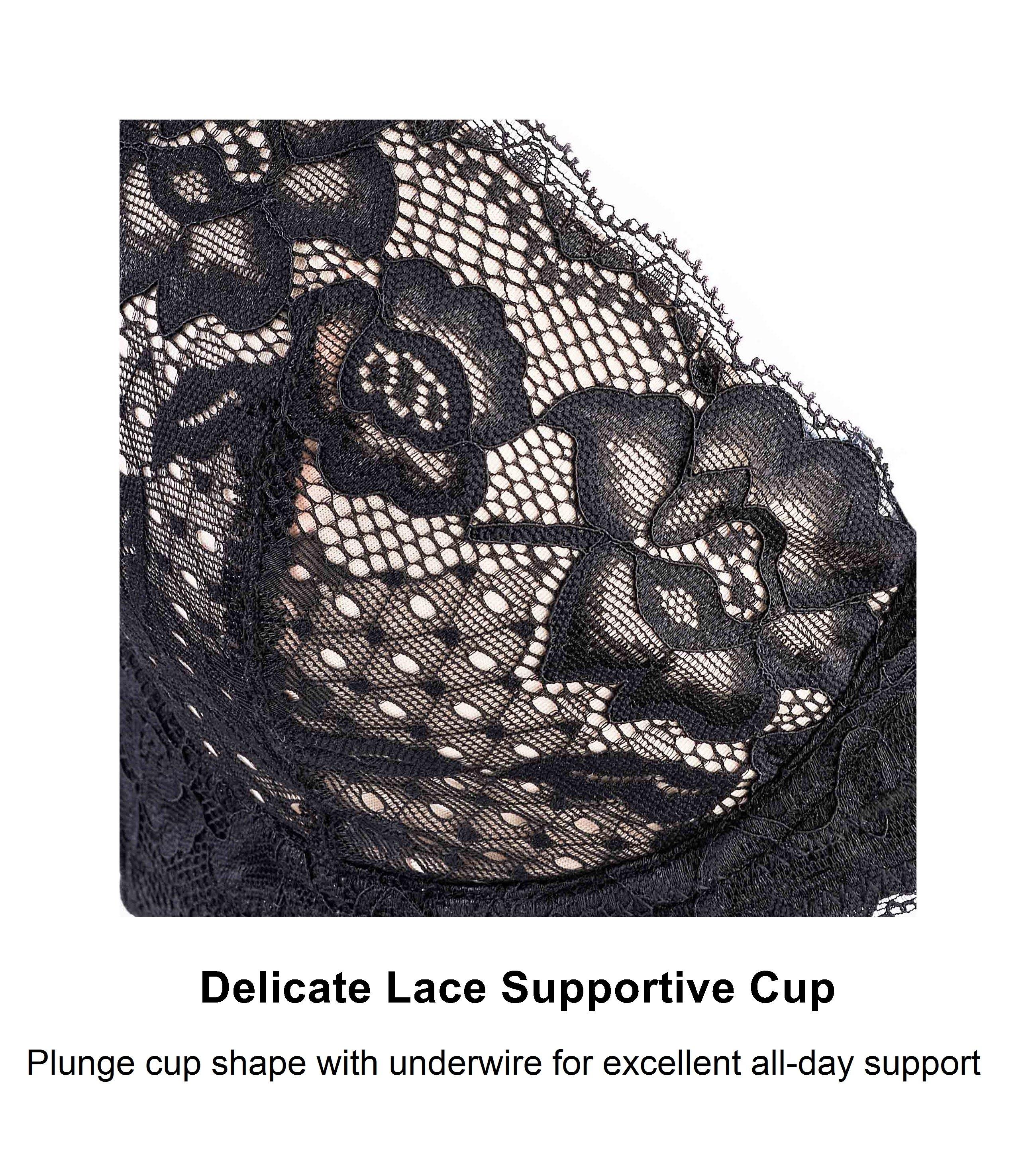
Synthetic blends add stretch, recovery and shape. The useful question is whether synthetic content is left exposed in the skin-contact zone or kept away from it. JulieMay uses cotton-wrapped elastics, no latex, no exposed elastic and no nickel, because irritation can come not only from fibre feel but from finishing chemicals, formaldehyde in clothing and textile dyes that can act as allergens.
Fabric comparison for hormonal and breast sensitivity
For most women with hormonal or recovery-related sensitivity, the most skin-friendly answer is a breathable main fabric such as organic cotton, a smoother inner contact layer such as pure silk in the cup or gusset, as little exposed elastic, metal and seam bulk as possible, and as little unnecessary chemical load as possible. That is what makes JulieMay distinct here — not one miracle fibre, but a more complete skin-contact system.